
SEO for AI Guide 2026: Mastering GEO and LLM Rankings. The digital world has changed a ton lately! Looking ahead to 2026, it’s super clear that the usual "Search Engine Optimization" tricks just won’t cut it anymore if you want to be seen and engaged with. We’ve officially stepped into the exciting age of Generative Engine Optimization (GEO). Now, it’s all about more than just snagging a top spot on a list of links. The goal is to be the go-to source that AI models actually trust, cite, and suggest to users on all sorts of platforms and apps.
1. Getting to Know the AI Search Scene

Traditional SEO used to be all about those specific keywords, but now GEO is shaking things up by focusing on relevance and what users actually want. Advanced AI search engines, like Perplexity, ChatGPT (or SearchGPT, if you prefer), and Google’s AI Overviews, are all about serving up content that’s "Machine-Readable" and gives users quick "Information Gain." This shift is super important for nailing your digital marketing strategy. If you want to stay ahead of the game in 2026, make sure your content is well-structured so that those LLMs (Large Language Models) can easily chop it up and trust that it’s accurate and reliable.
2. Technical GEO: The New Standards
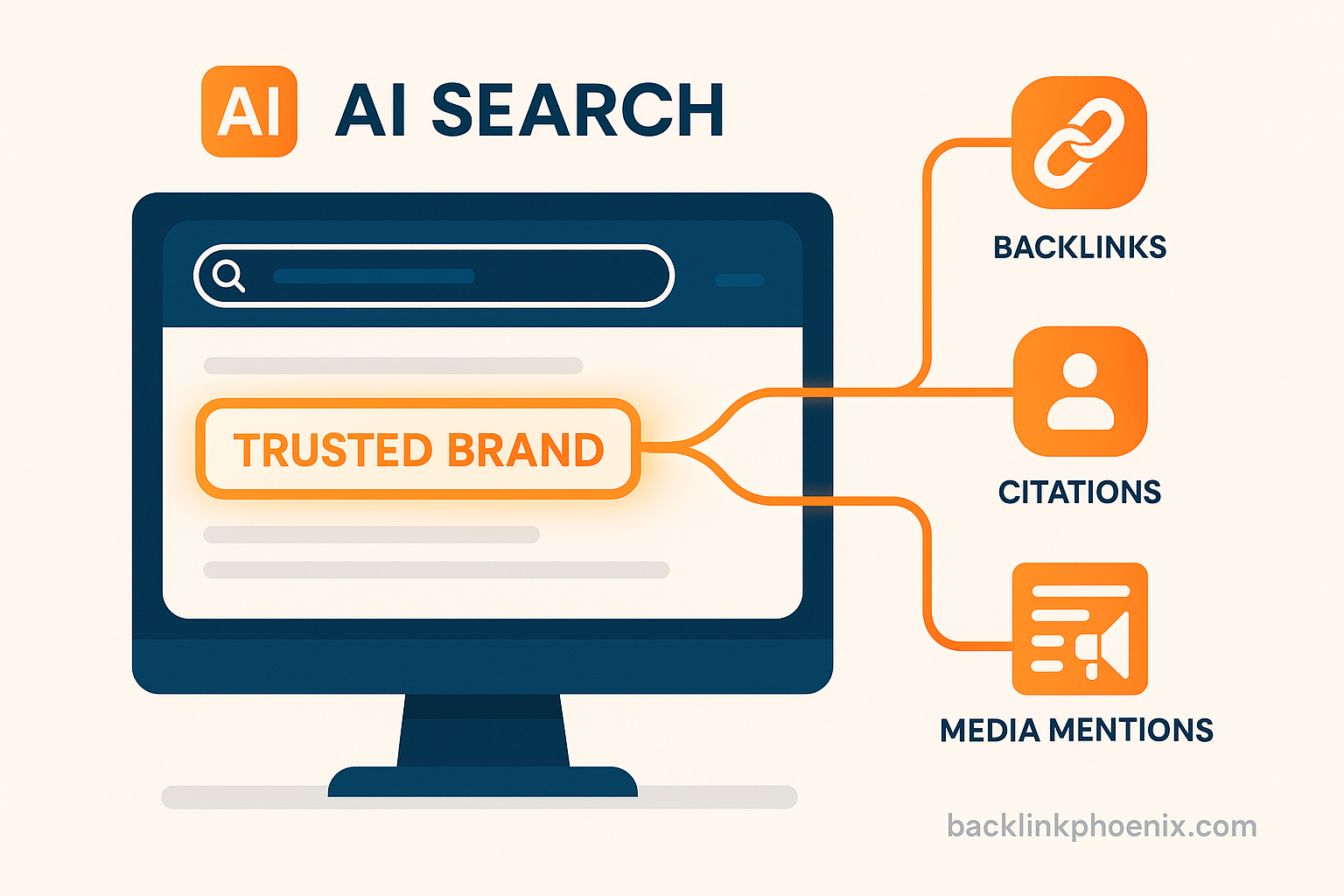
SEO for AI Guide 2026 is all about how Generative Engine Optimization (GEO) shakes things up by making AI models, LLMs, and generative search engines the stars of the show. It’s not just about the old-school SEO anymore—it's how these cutting-edge tools check out, trust, and share content that counts!. So, technical SEO is all about turning your site into a "treasure map" for those AI crawlers. You want to make sure that all the important info is super easy to find and stands out, helping you get more visibility and upping your indexing game!
Implement an llms.txt File: This is a cool 2026 standard that helps you give a clean, markdown summary of your site and its content to AI agents. You can easily set this up with plugins like Yoast SEO, or if you’re feeling adventurous, you can just host it at yourdomain.com/llms.txt. Seriously, it’s a simple way to boost your site’s SEO!
Structured Data (JSON-LD): Using advanced Schema.org markup like FAQ, Product, Review, and Organization is super helpful. It gives AI models the context they need to churn out accurate info for users.
Clean Architecture: AI models really dig sites that are clean and straightforward—no annoying pop-ups or complicated JavaScript that messes with the crawling process. This not only makes your site more user-friendly but also helps your SEO game!
3. The "Answer-First" Content Strategy

AI models don’t actually “read” stuff—they just pull up info based on patterns and context from huge datasets. So, making sure your content is presented well is super important!
Direct Answers: Kick things off with a clear and snappy 50-word answer to the main question at the top of your page. It’ll grab your visitors’ attention and satisfy their curiosity right away!
Conversational Headings: Use H2 and H3 tags that reflect those long-tail conversational questions your audience might ask (like, “How do I optimize for Perplexity in 2026?”). This helps with search relevance and makes the user experience better!
Semantic Depth: Forget about old-school keyword stuffing! Instead, go for effective topic clustering. Check out AI tools like Semrush to spot those semantic gaps in your content. Make sure your "Pillar Pages" dive deep into every important sub-niche of a topic!
4. Crafting E-E-A-T for AI Models

AI systems are naturally drawn to content that's easy to verify and super clear. By 2026, Information Gain—which is all about giving out one-of-a-kind data that you just can't find anywhere else online—is set to become the go-to way for ranking search visibility and relevance.
Citable Proof: Make sure to toss in some original screenshots, exclusive data, or unique expert quotes. If you back up your claims with solid "receipts," AI is more likely to give your brand a thumbs-up, making your content way more credible.
Brand Mentions: Your online presence really thrives on being mentioned around the web. Focus on getting your name out there on trusted platforms like Reddit or niche sites in your industry. AI loves these spots as reliable sources when figuring out if the info is legit.
Author Credentials: Don't forget to add a solid author bio to every post that highlights verified credentials. This is super important because AI uses this info to gauge how trustworthy and reliable your content is for users.
5. Using AI to Boost Your Workflow (Not Take It Over)

Purely AI-generated content is often penalized for being "fluff". Use AI for the 80% heavy lifting—research, outlining, and data analysis—but use a human editor for the final 20% to add voice and factual verification.
Tools for 2026 SEO:
SurferSEO for semantic optimization.
AnswerThePublic for identifying conversational queries.
Perplexity to audit how AI currently perceives your brand.
Below is a practical SEO for AI Guide 2026 checklist designed for GEO and LLM rankings.
Summary Checklist for 2026
- Create and host an /llms.txt file at your root directory.
- Add FAQ Schema to all informational pages.
- Rewrite introductions to lead with a direct, 50-word answer.
- Audit content for "Information Gain"—ensure every post adds new value.
- Secure brand mentions on external, high-authority industry sites.
Start implementing this SEO for AI Guide 2026 framework to future-proof your rankings across AI search engines.
Add comment
Comments